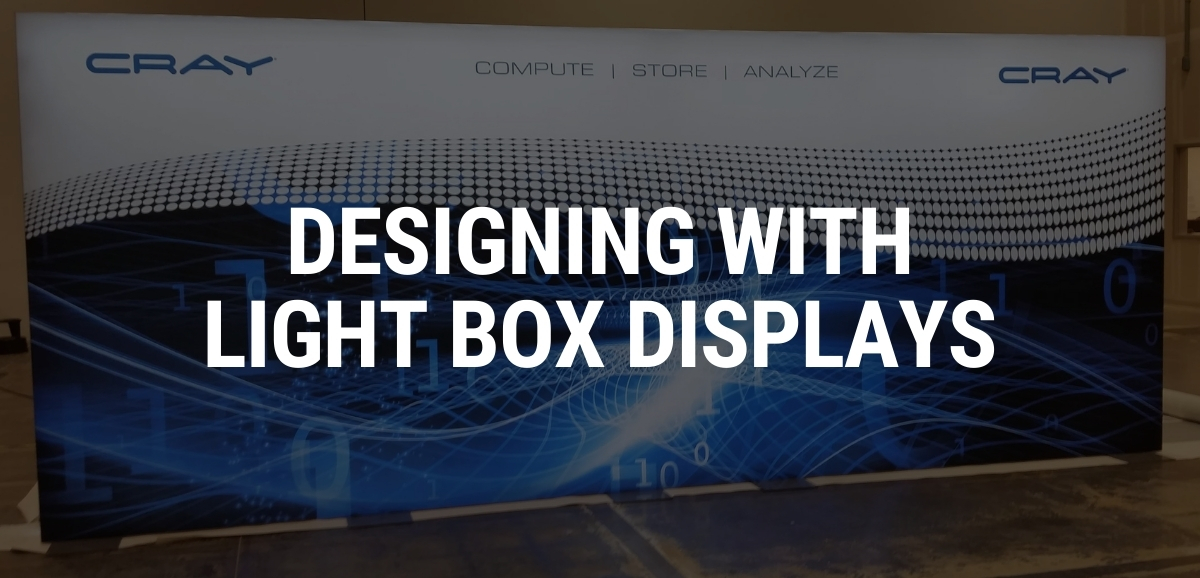
Light box displays are no longer just illuminated graphics mounted to a wall. They are architectural elements, brand storytelling tools, and modular design systems that shape how spaces feel and function.
When designed intentionally, light boxes can transform a booth, retail space, or experiential environment from flat and functional to immersive and memorable. The key is not just adding light, but designing with it.
Start with Purpose, Not Placement
Before selecting size, shape, or lighting intensity, define the role your light box will play.
Is it the primary focal point?
A backdrop for meetings?
A high impact photo opportunity?
A wayfinding element?
The purpose determines scale, brightness, positioning, and whether the display should be single sided, double sided, wall mounted, freestanding, or suspended.
When light box displays are integrated early in the design process, they become structural components rather than decorative add ons.
Design for Visibility and Viewing Distance
A light box display should be designed with viewing distance in mind.
For large show floors or retail windows, bold imagery and strong contrast perform best. In closer viewing environments, detailed photography and layered messaging can shine.
Backlit SEG fabric graphics enhance color saturation and clarity, but composition still matters. Negative space, typography scale, and focal points should be adjusted to take advantage of illumination without overwhelming the viewer.
Light amplifies design. It does not replace it.
Choose the Right Lighting Strategy
Not all lighting is created equal. When designing with light box displays, consider:
- Brightness level for the environment
- Color temperature to match brand tone
- Evenness of light distribution
- Dimming or programmable options
Cooler tones can feel modern and technical. Warmer tones may feel welcoming and lifestyle driven. Dimmable LED systems allow flexibility across venues with varying ambient light.
Thoughtful lighting choices elevate both aesthetics and brand perception.
Leverage Modular Flexibility
Modern light box displays are built on lightweight aluminum extrusion frames with integrated LED systems. This modular construction opens creative possibilities.
Frames can be configured into:
- Seamless back walls
- Corner structures
- Double sided aisle features
- Suspended elements
- Curved or custom shaped displays
Because graphics are replaceable and frames reusable, brands can refresh campaigns without rebuilding structures. Designing with modularity in mind increases long term return on investment.
At Tectonics, light box displays are engineered for this kind of flexibility, allowing brands to adapt environments without sacrificing visual impact.
Integrate Light Boxes into the Overall Environment
The most effective designs treat light boxes as part of the architectural flow.
Use illuminated walls to define zones.
Position light boxes behind counters for layered depth.
Combine illuminated panels with non illuminated materials for contrast.
Incorporate overhead elements to create vertical presence.
Balancing illuminated and non illuminated surfaces prevents visual fatigue while maintaining strong focal points.
Plan for Installation and Logistics
Design should account for practical considerations.
Lightweight extrusion frames, plug and play wiring, and tool free assembly simplify installation. Hard case packing options and modular components support efficient transport across multiple shows or locations.
When lighting systems are designed with logistics in mind, teams spend less time troubleshooting and more time engaging with visitors.
Design for Longevity
Great design does not end after one event.
Because modern light box displays allow graphic swaps without structural replacement, brands can evolve messaging seasonally or across markets. This makes light boxes ideal for:
- Multi city experiential tours
- Retail campaigns
- Product launches
- Annual trade show programs
Designing with reusability in mind ensures consistency while reducing waste.
Illuminated Design, Engineered to Perform
Designing with light box displays means thinking beyond brightness. It means considering perception, space, flexibility, and longevity.
When integrated strategically, light boxes do more than highlight graphics. They shape how a brand is experienced.
Explore how Tectonics designs and manufactures modular light box displays that combine seamless graphics, premium materials, and integrated lighting to elevate environments of every scale.
Frequently Asked Questions About Designing with Light Box Displays
Start with purpose. Determine whether the light box will serve as a focal point, backdrop, wayfinding element, or architectural feature. Consider viewing distance, lighting conditions, layout, and how the illuminated display fits into the overall environment.
SEG fabric graphics are ideal for light box displays. They create a smooth, edge to edge appearance with vibrant color and crisp detail. High resolution imagery and bold, readable typography perform best when backlit.
Brightness depends on the surrounding environment. Tradeshow floors often require higher brightness to compete with overhead lighting, while retail or interior environments may benefit from softer illumination. Many modern LED systems offer dimmable options for flexibility.
Yes. Light box displays can be customized in size, profile, and configuration. Options include single sided or double sided displays, wall mounted, freestanding, hanging, curved, or custom shaped frames to match your design vision.
Modern light box displays are built on modular aluminum extrusion frames. Graphics can be replaced while the frame and lighting system are reused, making them ideal for evolving campaigns, multi show programs, and long term installations.
Backlit graphics enhance contrast, color vibrancy, and readability. Because light box displays generate their own illumination, they remain visible and impactful even in crowded or unevenly lit environments.
Yes. LED lighting consumes less energy and produces less heat than older lighting systems. This improves efficiency, extends lifespan, and supports sustainability goals while maintaining strong visual performance.
Most modern systems feature lightweight aluminum frames, plug and play wiring, and tool free assembly. This simplifies installation and reduces setup time for tradeshows, retail environments, and experiential activations.
Yes. Modular frames and fabric graphics allow for compact packing. Hard case transport options help protect components during shipping and support repeat use across multiple events.