Choosing the right light box display is not just about size or brightness. It is about selecting a solution that fits your environment, supports your brand, and performs reliably across every installation.
With more options available than ever, understanding what to look for can help you make a more confident decision and get the most value from your investment.
This guide breaks down the key factors to consider when selecting a light box display, from configuration and lighting to materials and long term use.
Start with Your Environment
The first step in choosing a light box display is understanding where it will be used.
Tradeshow floors, retail environments, and experiential activations all have different lighting conditions, traffic patterns, and space constraints. A display that performs well in one setting may not translate directly to another.
Consider:
- Ambient lighting levels
- Viewing distance
- Foot traffic and visibility needs
- Installation requirements
These factors will influence brightness, size, and configuration.
Choose the Right Configuration
Light box displays come in a variety of configurations, each suited to different applications.
Common options include:
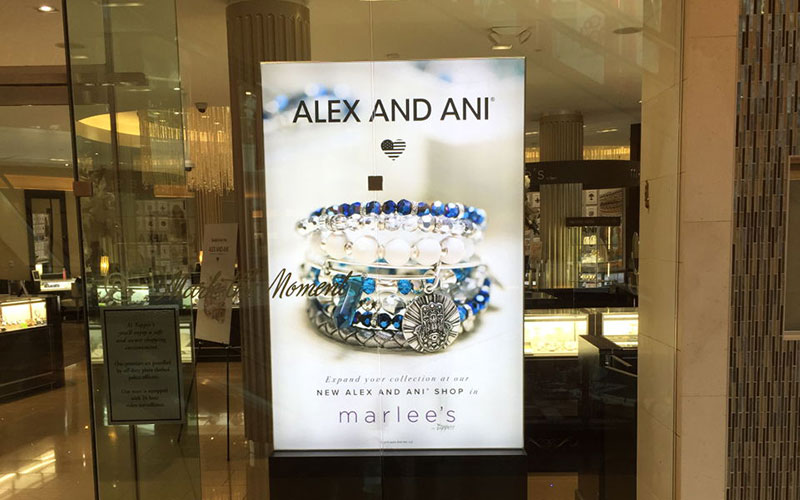
- Wall mounted displays for retail or interior branding
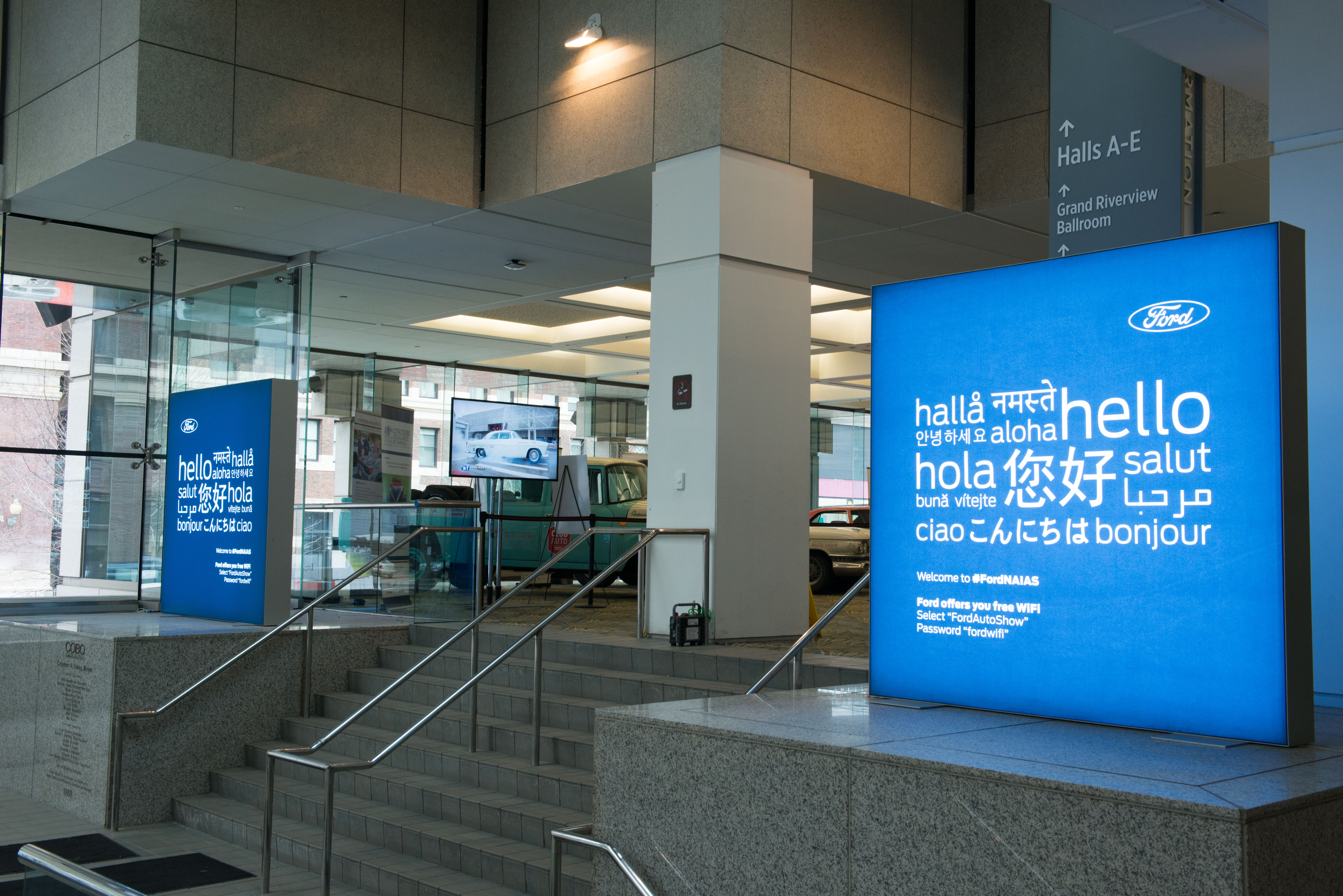
- Freestanding light boxes for open floor layouts
- Double sided displays for aisle visibility
- Hanging structures for large scale presence
Your layout and goals will determine which configuration delivers the most impact.
Understand Lighting Performance
Lighting is at the core of any light box display.
Look for LED systems that provide:
- Even illumination across the entire surface
- Consistent color output
- Long lifespan
- Optional dimming for flexibility
Brightness should match your environment. Tradeshow floors often require higher output, while interior spaces may benefit from a more balanced approach.
Select the Right Graphic System
Graphics play a major role in both visual impact and usability.
SEG fabric graphics are the industry standard for modern light box displays. They create a seamless appearance, are easy to install, and allow for quick updates.
When evaluating graphics, consider:
- Print quality and color accuracy
- Ease of replacement
- Durability for repeated use
High quality graphics ensure your display performs as intended across multiple events or installations.
Evaluate Modularity and Reusability
One of the biggest advantages of modern light box displays is their modular design.
Aluminum extrusion frames can be reused and reconfigured for different layouts, while graphics can be replaced as campaigns evolve. This makes light box displays a strong long term investment.
If you plan to exhibit multiple times or across different environments, modularity becomes even more important.
At Tectonics, light box displays are engineered to support flexible configurations and repeated use without compromising quality.
Consider Installation and Logistics
Ease of installation can have a significant impact on both cost and experience.
Look for systems that offer:
- Lightweight components
- Tool free or simplified assembly
- Plug and play lighting connections
- Efficient packing for transport
Displays that are easier to install reduce labor time and minimize the risk of issues during setup.
Think About Long Term Value
The lowest upfront cost is not always the best long term decision.
Reusable frames, energy efficient lighting, and replaceable graphics contribute to a lower total cost over time. They also support more sustainable practices by reducing waste and production needs.
Choosing a system designed for longevity helps maximize your investment.
When to Go Custom
Standard light box displays work well for many applications, but some environments require a more tailored solution.
Custom light boxes may be the right choice when:
- You need unique shapes or large scale structures
- The display must integrate with other architectural elements
- Branding requires a specific visual or structural approach
Custom solutions allow for greater creative freedom while still benefiting from modular systems and LED technology.
Making the Right Choice
The right light box display should do more than illuminate graphics. It should support your brand, adapt to your needs, and perform consistently across every environment.
By considering configuration, lighting, graphics, and long term usability, you can choose a solution that delivers both immediate impact and lasting value.
Explore how Tectonics designs and manufactures light box displays built for performance, flexibility, and high impact environments.
Frequently Asked Questions About Choosing a Light Box Display
Single sided light boxes display graphics on one side and are typically used against walls or backdrops. Double sided light boxes display graphics on both sides, making them ideal for aisle visibility and open floor layouts.
Yes. SEG fabric graphics create a seamless, edge to edge appearance and are easy to install and replace. They also provide excellent color vibrancy and clarity when backlit.
LED lighting provides even illumination, energy efficiency, and a long lifespan. It also produces less heat and maintains consistent brightness, making it ideal for repeated use.
Custom light box displays are ideal when you need unique shapes, large scale structures, or integration with other design elements. They allow for more creative flexibility while still maintaining the benefits of modular systems.
You can explore configurations, features, and applications here:
https://tectonics.com/what-we-make/light-boxes/
Yes. Today’s light box displays are designed with lightweight aluminum frames, modular components, and plug and play wiring. This makes installation faster and more efficient, while reducing shipping weight and setup time compared to traditional illuminated signage.
Brightness depends on the surrounding environment. Tradeshow floors often require higher brightness to compete with overhead lighting, while retail or interior environments may benefit from softer illumination. Many modern LED systems offer dimmable options for flexibility.
Yes. Modern light box displays are designed with modular aluminum frames that can be reused across multiple events or environments. Graphics can be updated without replacing the entire structure, making them ideal for evolving campaigns.
Light box displays are used to showcase illuminated graphics in environments such as tradeshows, retail spaces, and experiential activations. They improve visibility, enhance color vibrancy, and help brands stand out in high traffic areas.
The right size depends on your environment and viewing distance. Larger displays are better for attracting attention from across a show floor, while smaller light boxes work well for retail interiors or closer viewing applications.